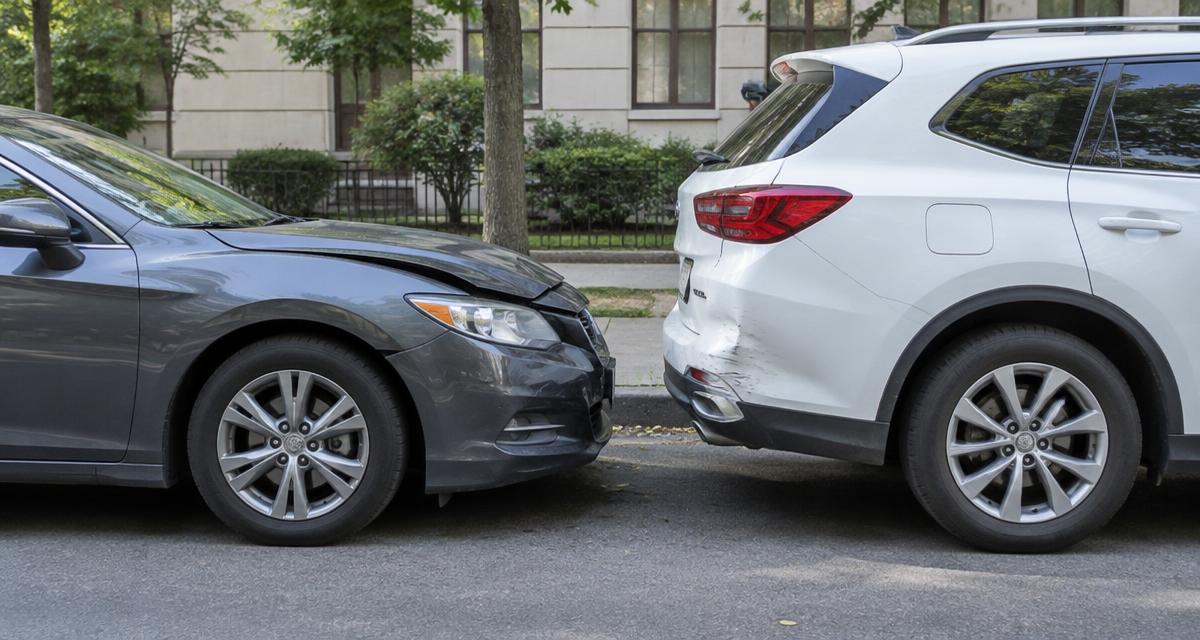
Even a small crash is rattling. Your heart is pounding, other drivers are trying to get around you, and you're not sure what to do first. This guide walks through the first hour after a minor collision in North Carolina, in the order that matters.
Step 1: Check for injuries
Before anything else, check yourself and your passengers, then the other driver. If anyone is hurt, call 911 right away and don't move anyone who may have a neck or back injury unless they're in immediate danger.
Step 2: Make the scene safe
Turn on your hazards. If nobody is hurt and the cars can be driven safely, North Carolina law expects you to move them out of the travel lanes — to the shoulder, a side street or a nearby parking lot. Leaving undamaged-looking cars in the lane causes secondary crashes.
If your car can't be driven, leaking fluid, or a wheel is bent, leave it where it is, get to a safe spot away from traffic and call for help.
Step 3: Know when to call the police
In North Carolina, a crash must be reported to police if anyone is injured or killed, or if total property damage is $1,000 or more. With today's repair costs, even a "minor" bumper hit often passes $1,000, so when in doubt, call. A police report also helps with your insurance claim.
Step 4: Exchange information
Get the following from the other driver, and give them yours:
- Name and phone number
- Driver's license number
- Insurance company and policy number
- Vehicle make, model, color and license plate
Stay polite and stick to facts. Don't argue about who was at fault at the scene.
Step 5: Take photos
Your phone is your best tool. Photograph:
- Both cars from several angles, including the plates
- Close-ups of all damage
- The street, intersection, signs and traffic lights
- Skid marks, debris and road conditions
- The other driver's insurance card and license (with permission)
Step 6: Decide what happens to your car
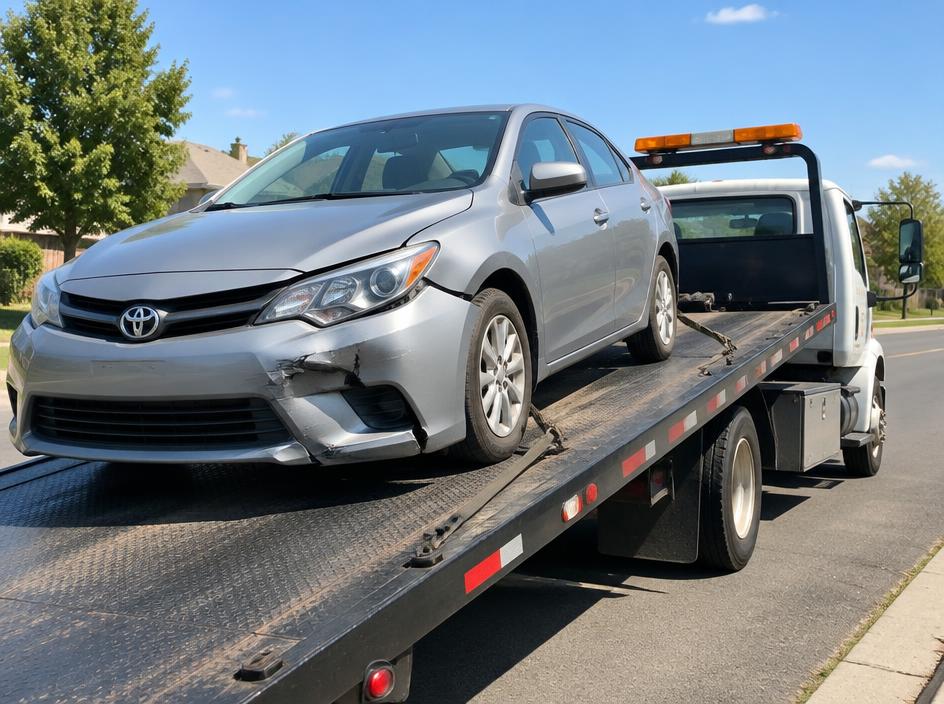
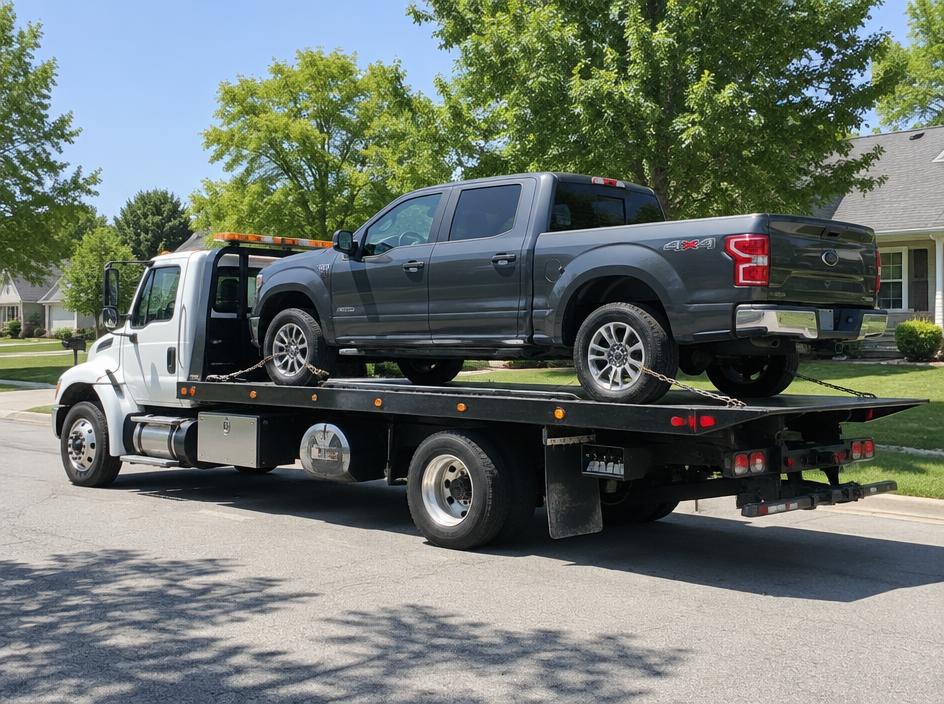
If your car is drivable, you can usually drive it home or to a body shop. If it isn't, you'll need a tow. You can often choose your own towing company when the scene is safe and police don't need the vehicle moved immediately. Call us at (888) 383-0095 and tell us:
- Where the car is
- Where you want it to go (body shop, dealer, home)
- Whether it rolls and steers
Learn more on our accident towing page.
Step 7: Call your insurance company
Report the claim as soon as you can, ideally the same day. Ask whether they have a preferred body shop and whether your policy covers towing or a rental car.
Step 8: Watch for delayed symptoms
Neck pain, headaches and stiffness sometimes show up hours or days later. If anything feels off, see a doctor and keep the records.
Keep a crash card in your glove box
Write down your insurance info, an emergency contact, and our number, (888) 383-0095. In the moment, it's one less thing to think about.