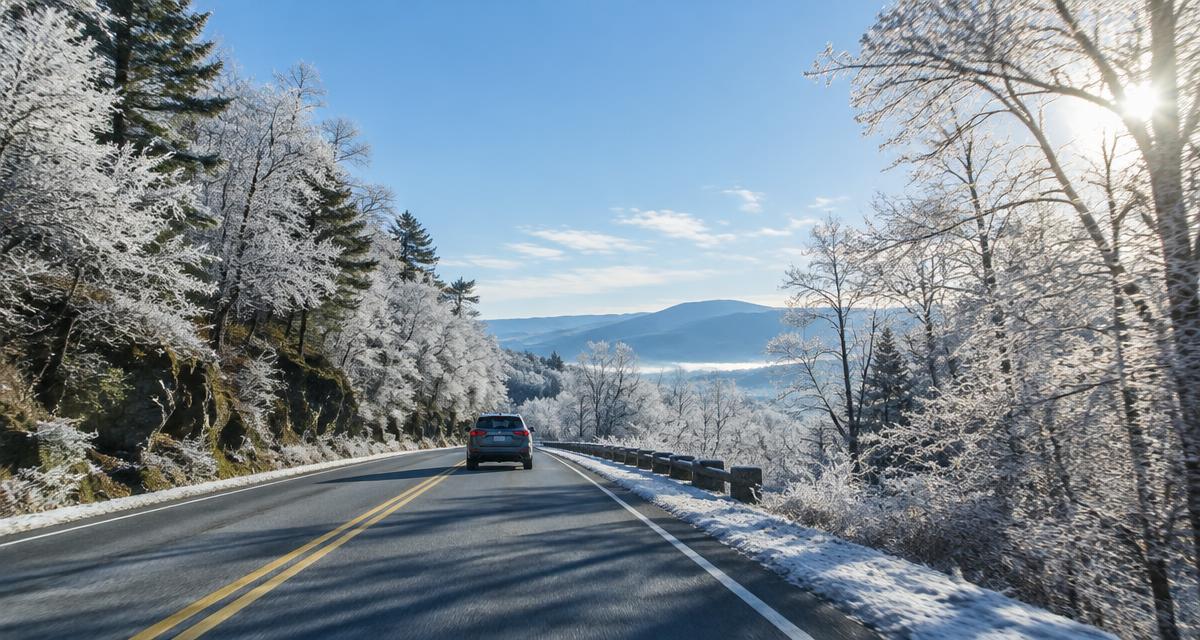
Winters in the Piedmont Triad aren't long, but they are tricky. We get a handful of hard freezes, the occasional ice storm and plenty of mornings where the windshield is frosted and the back roads are slick in the shade. Because snow and ice don't come every week, a lot of drivers aren't ready when they do. This checklist takes an afternoon and saves a lot of trouble.
Start with the battery
Cold weather is hard on batteries. A battery that was fine in October can quit on the first 20-degree morning. Warning signs include:
- The engine cranks slower than usual
- Dashboard lights dim or flicker when you start the car
- You've needed a jump in the past few months
- The battery is several years old
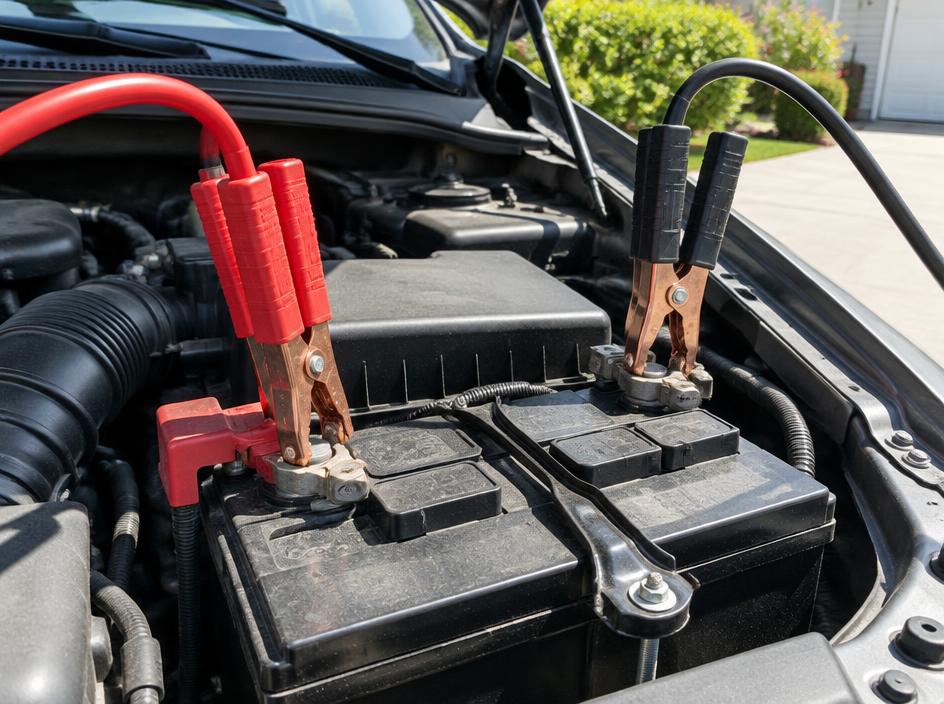
Most auto parts stores will test a battery for you. If yours is weak, replace it before the first cold snap instead of in a parking lot. If it does die on you, our jump start page explains what to expect.
Check your tires — tread and pressure
Tire pressure drops as the temperature drops, so a tire that was right in September can be low in December. Check pressure on a cold morning and fill to the number on the sticker inside the driver's door, not the number on the tire.
Look at tread too. Worn tires and wet red clay or black ice are a bad combination on roads like US-421, NC-68 or the curvy two-lanes out toward Asheboro.
Wipers, washer fluid and defrost
- Replace streaky or cracked wiper blades.
- Fill the reservoir with winter washer fluid that won't freeze.
- Test your heater and rear defrost before you need them.
- Never pour hot water on a frozen windshield — it can crack the glass.
Fluids and the cooling system
Have your coolant (antifreeze) checked so it protects against freezing. Make sure oil changes are up to date, and top off fluids before a long trip to the mountains or up US-29 to Virginia.
Build a small winter kit
Keep these in the trunk from December through February:
- Ice scraper and snow brush
- Blanket, gloves and a hat
- Phone charger or power bank
- Flashlight with fresh batteries
- Water and snacks
- A bag of kitty litter or sand for traction
- Jumper cables or a portable jump pack
Know when not to drive
On ice storm days, NCDOT crews focus on the interstates and main roads first. Side streets, bridges, overpasses and shady back roads stay icy longest. If you don't have to drive, wait until the afternoon thaw. If you do, slow down, leave extra space and brake gently.
Parked during a cold snap?
If your car sits for days in freezing weather, start it and let it run a few minutes every couple of days (never in a closed garage). That keeps the battery up and catches problems before your next commute.
If you get stuck
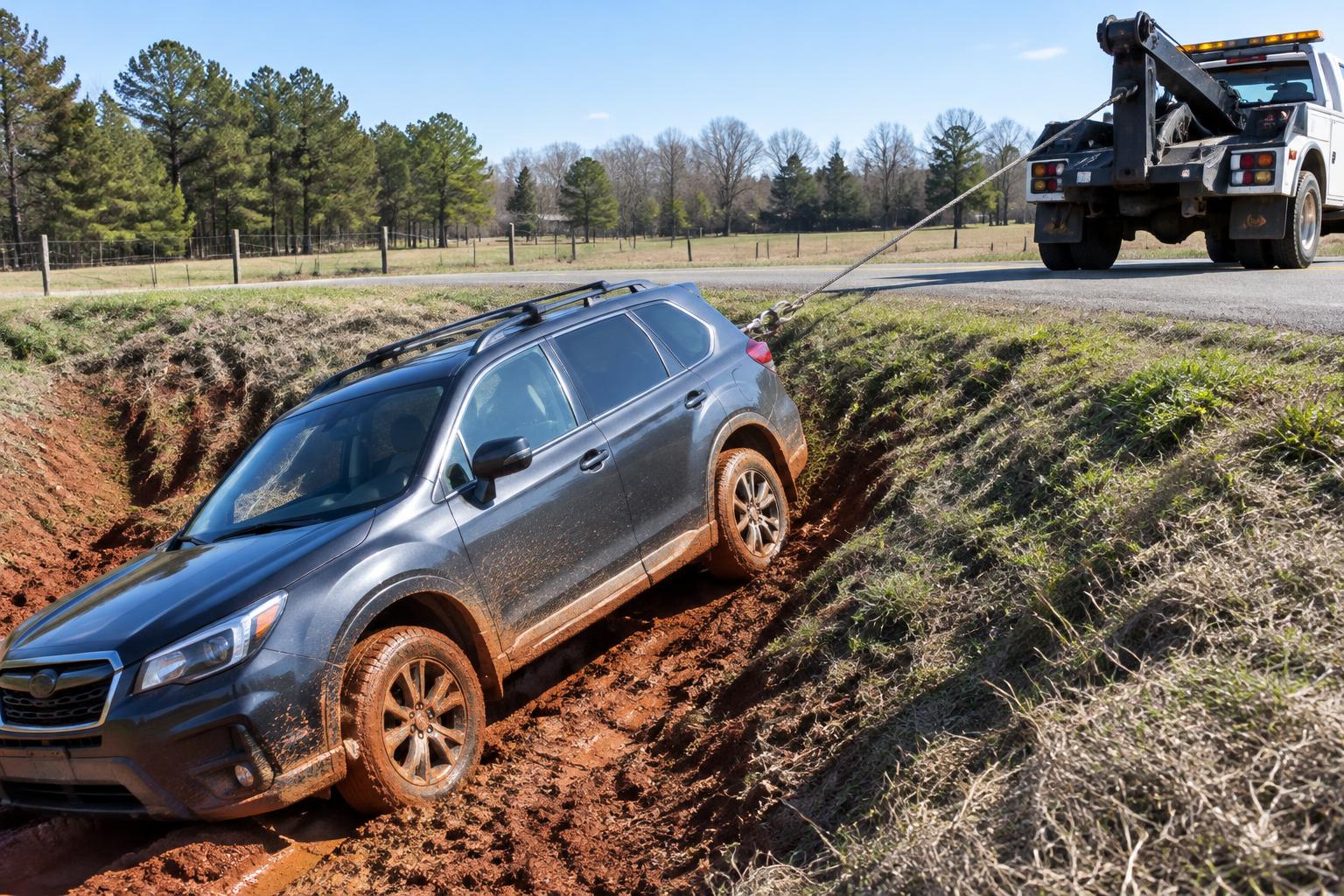
Don't keep spinning your tires — it digs you in deeper and can damage the car. Turn the wheels straight, try gentle pressure, and if you're still stuck, call us at (888) 383-0095. Our winch-out page explains how we pull cars out of ditches and soft shoulders.
A little prep now means fewer cold mornings waiting on the side of the road.