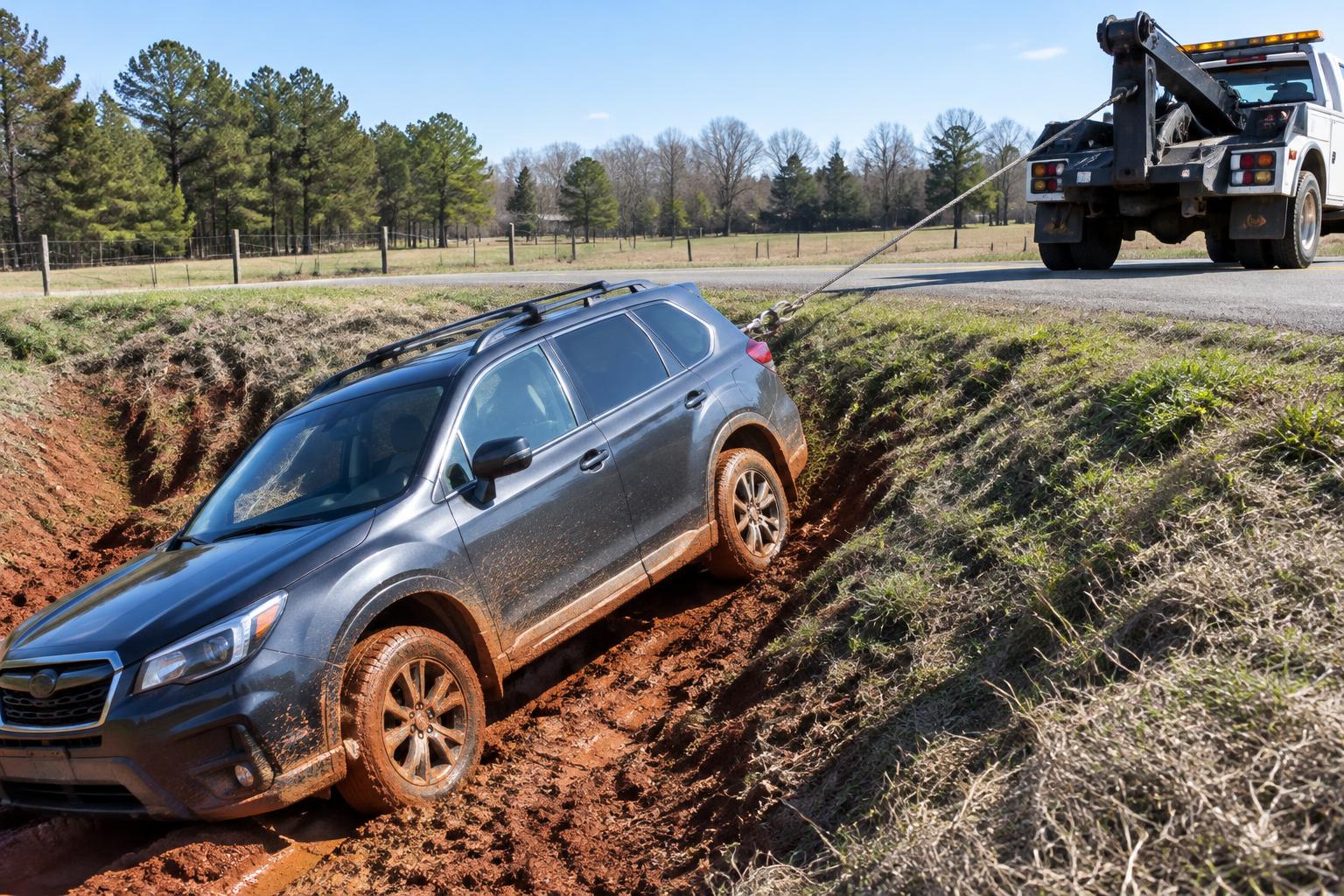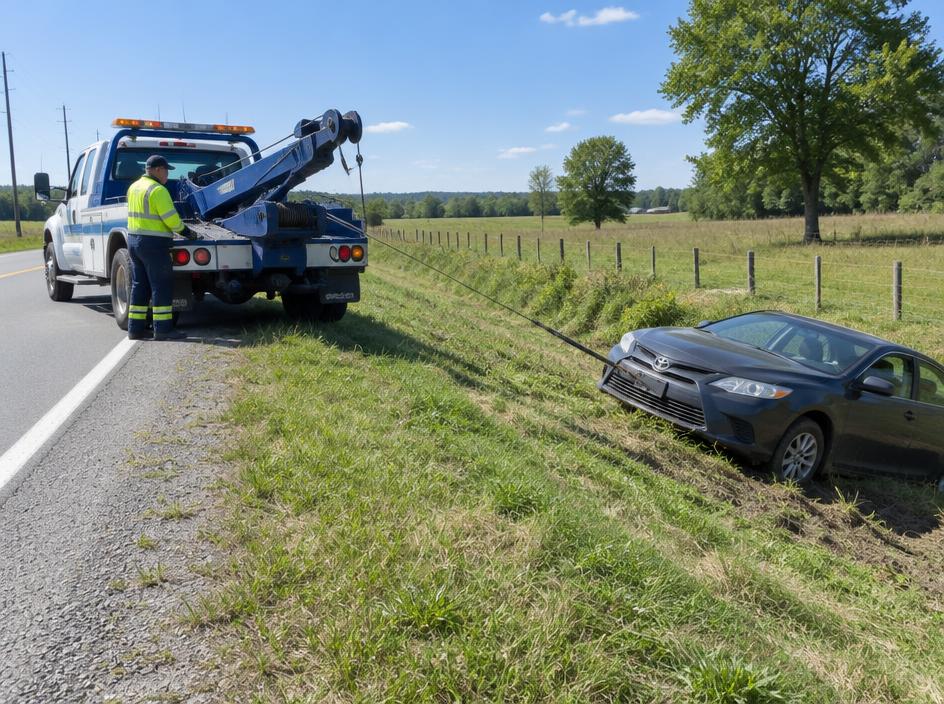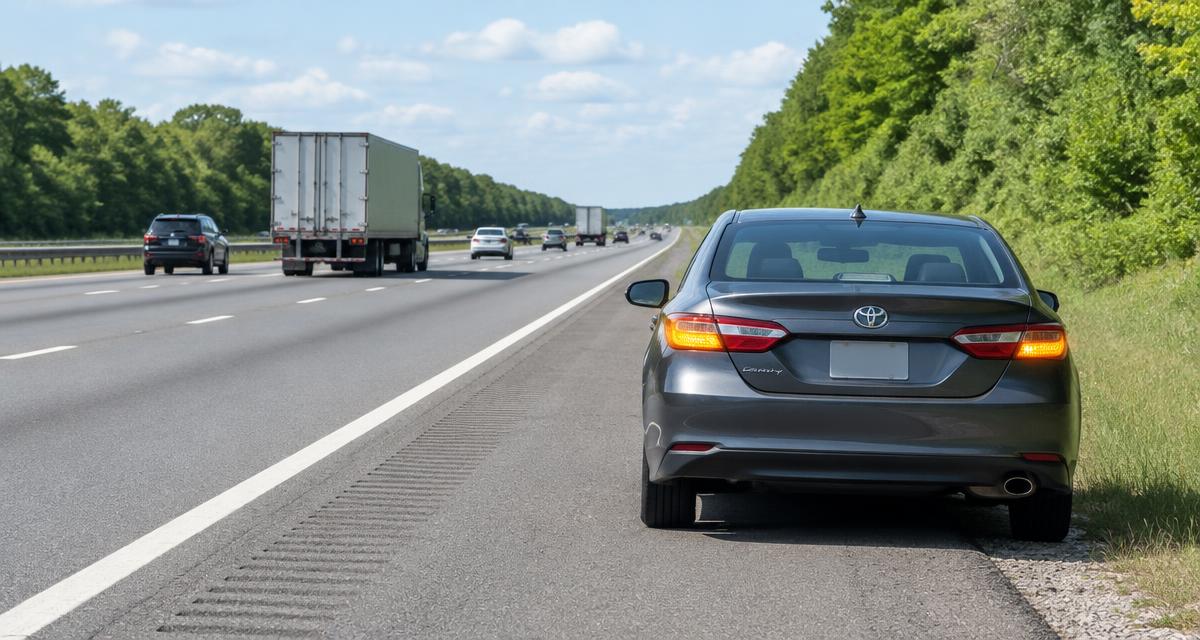
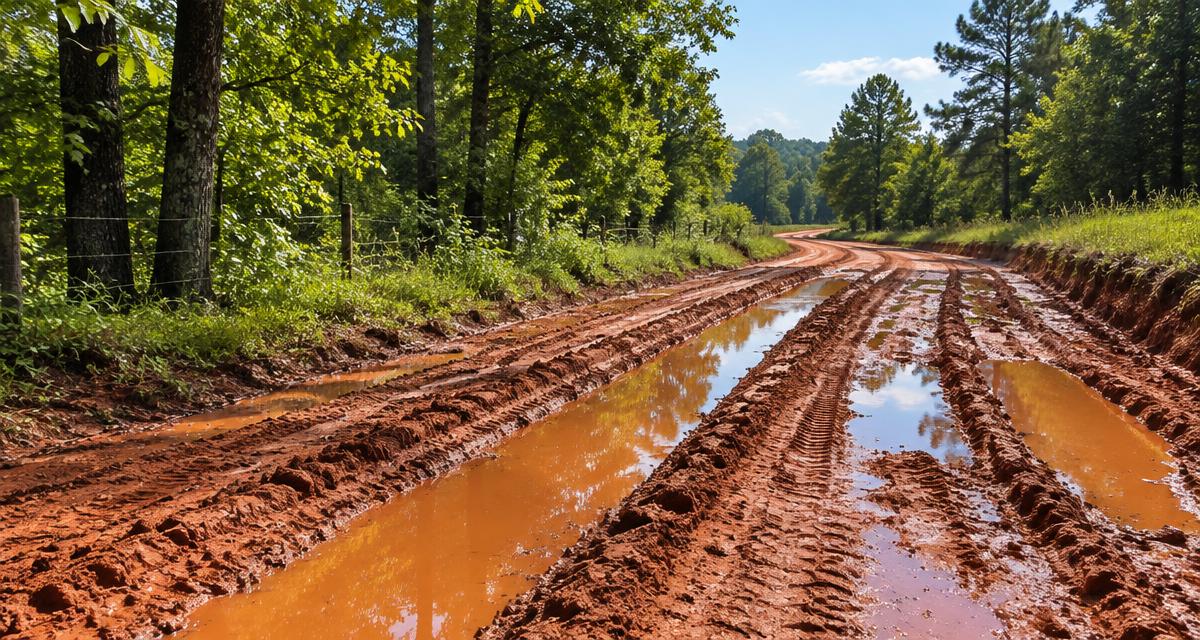
If you've lived in the Triad for a while, you know the clay. It stains your shoes, your dog and your carpets, and after a heavy rain it can swallow a tire. Every wet week we hear from drivers who pulled onto a soft shoulder, a new-construction lot or a grassy driveway and couldn't get back out.
Why red clay is so slippery
Piedmont clay is packed with very fine particles. Dry, it's hard as brick. Wet, those particles hold water and turn into a slick paste. A car that drives onto it after rain can lose traction almost instantly, especially rear-wheel-drive trucks with empty beds and cars with worn tires.
Where drivers get stuck most
- Soft road shoulders on two-lane roads after a storm
- New subdivisions and construction lots, where roads and driveways aren't paved yet
- Grass and gravel driveways at older homes and farms
- Event parking in fields — fairs, festivals, sports games
- Turnarounds on rural roads where the edge drops off into a ditch
How to avoid it
- Stay on pavement for a day or two after heavy rain whenever you can.
- If you have to pull over, look for a paved driveway or lot instead of the shoulder.
- Don't park on grass or clay overnight when rain is in the forecast.
- Keep good tread on your tires, and check pressure so the tire keeps its shape.
- In a pickup, a little weight over the rear axle helps traction.
If you start to slide or sink
- Stop spinning the tires. Spinning digs you in deeper, throws clay into everything and can overheat your transmission.
- Straighten the wheels. Turned wheels push against the mud.
- Try gentle throttle in a low gear. In an automatic, use 2 or L if you have it.
- Rock gently only once or twice. If the car doesn't move, stop.
- Add traction. Floor mats, sand, gravel or kitty litter under the drive wheels can help.
When to call for a pull
Call if:
- The car has sunk to the bottom of the tires
- You're in or near a ditch
- The car is tilted or on a slope
- You've tried a couple of times and nothing changes
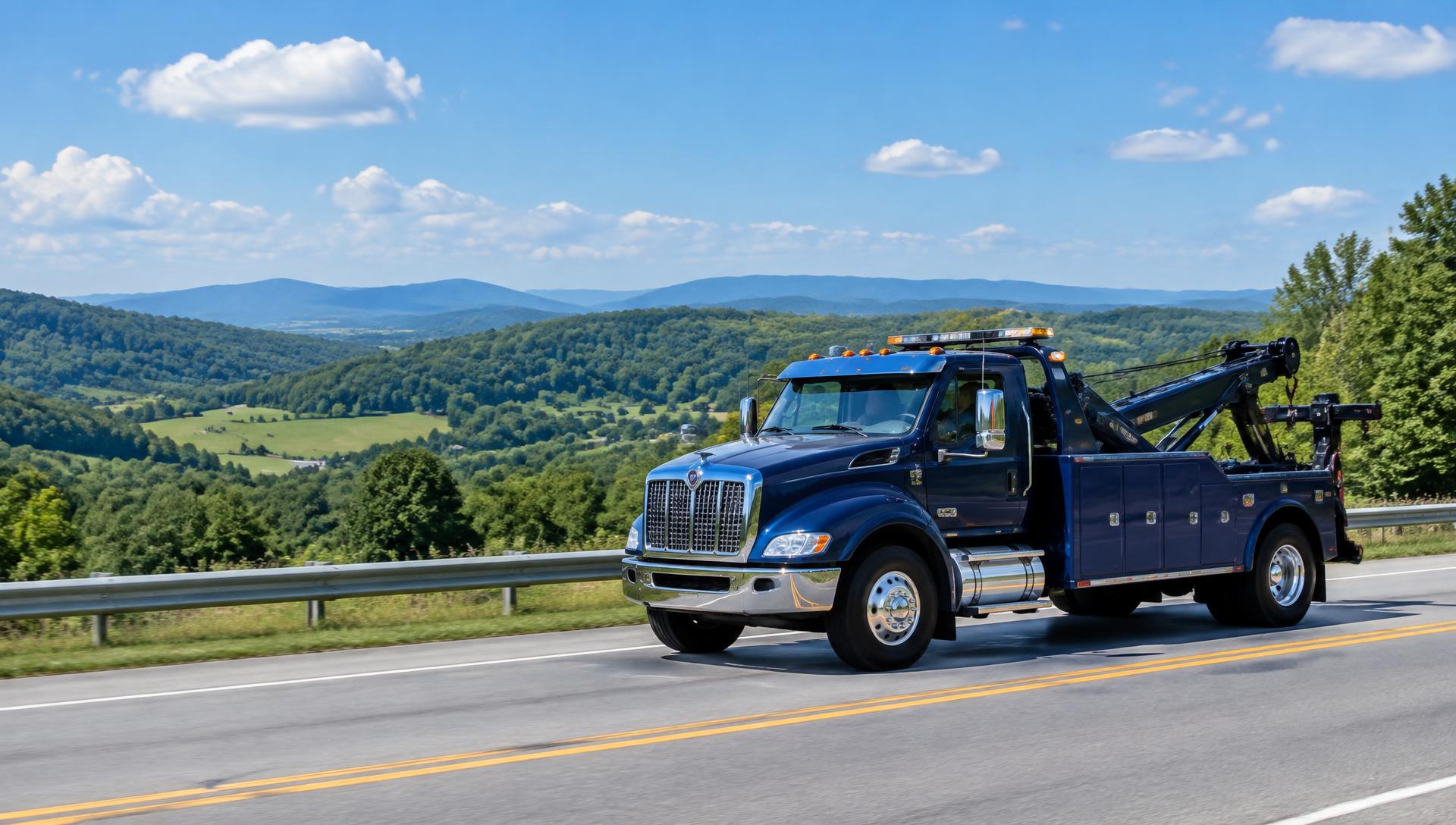
Pulling a car out the wrong way (with a rope tied to a random spot on the car, or a friend's truck jerking it) can bend parts, rip bumpers and hurt people. We use proper recovery points and pull slowly. Read more on our winch-out page, or call (888) 383-0095.
Clean up afterward
Once you're out, rinse the clay off the wheels, wheel wells and underside. Dried clay can throw wheels out of balance and hold moisture against the metal. Check that nothing is hanging down underneath before a long drive.
Red clay is part of living in the Piedmont. A little caution after rain keeps it on your boots instead of over your hubcaps.